EXPERTS
Jean-Pierre (JP) von Hage, CEO
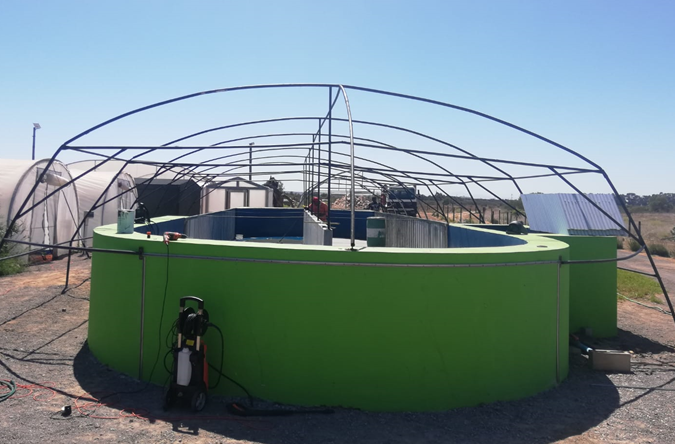
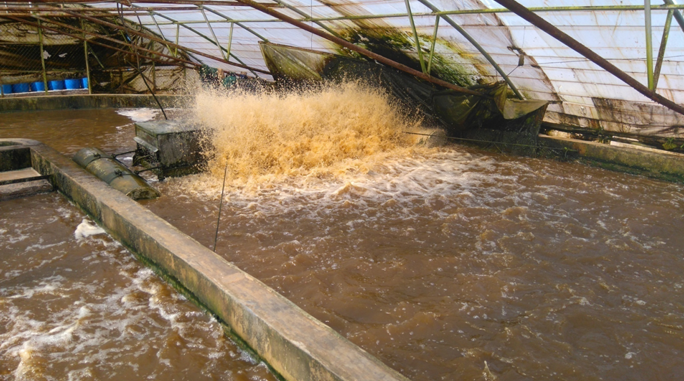
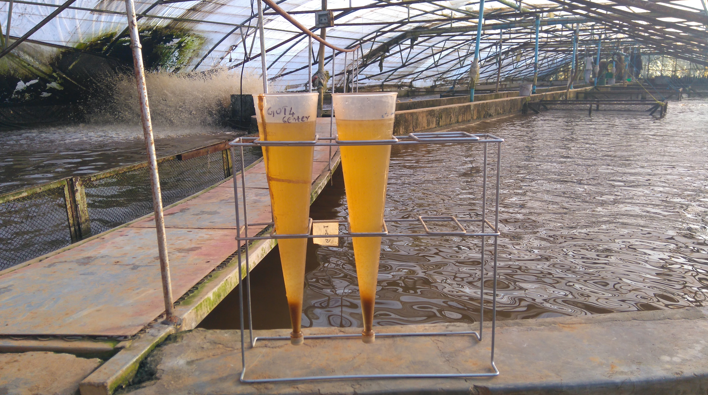
First a commercial fisherman on the high seas now turned fish farmer. JP launched the first Biofloc Technology (BFT) tilapia farm in South Africa at the Green Organic Fish Farm near Vredenburg, on the west Cape coast. JP built the first R-ended BFT tank including hooded airlift aerators for tilapia culture in seawater and ran trials using the technology to conclude the first experimental scale marine tilapia BFT system at the Green Organic
Fish Farm.
Based on hands-on experience building a BFT tilapia farm and converting the same farm to produce Mozambique tilapia (Oreochromis mossambicus) in saline water. JP is convinced that a land-based approach to tilapia farming in seawater presents the answer to South Africa’s food insecurity problems and that marine tilapia can be produced at a cost lowerthan broiler chickens. JP takes charge of day-to-day operations to lead daily management activities and the various programmes and projects being undertaken at the FSRI by fulfilling the role asthe CEO.
Llewellyn Arendse, marine shellfish expert
As the son of a fisherman, Llewellyn was raised amid the sea-faring community and industrious factory worker of St Helenabay. At the age of sixteen, he began working in the bustling canneries during school holidays. By the time he turned twenty-two, he had joined the permanent staff of the largest sardine cannery in southern-Africa. Remarkably, at just twenty-five, he became the youngest individual to manage an entire shift, overseeing both production workers and quality assurance personnel.
In 2006, equipped with expertise in food processing and a keen understanding of advanced food safety, Llewellyn joined a team of aquaculturists at an abalone farm on the west-coast. By the end of 2007 he had advanced to the role of production manager. Over the past eighteen years, Llewellyn has become a distinguished figure in aquaculture, specializing in abalone grow-out and particularly excelling in the field of nutrition. During his time at the farm, the company has expanded its reach by acquiring additional aquaculture businesses, and the operations he managed have experienced a remarkable threefold growth increase.
However, not everything went smoothly. As early as 2011, Llewellyn became acutely aware of the ocean’s changing conditions and the detrimental effects they were having on the water chemistry of the farm. Parasites and diseases began to proliferate, yet his reports were dismissed as instances of “poor husbandry”. Determined to save the farm, Llewellyn embarked on a mission to address these challenges. For the past decade, he has meticulously replicated the results of his experiments, making small yet crucial adjustments to the conditions in which abalone are nurtured, as well as to their feeding practices. These efforts resulted in healthier, more resilient abalone better equipped to withstand disease and parasites. Notably, Llewellyn became the first abalone farmer to produce abalone in RAS and successfully treated seawater to control alkalinity levels- an important factor, as higher alkalinity directly impacts shellfish health.
Llewellyn brings to the FSRI his concern for the environment and offers his extensive knowledge of land-based aquaculture, mass abalone production and food safety. Lewellyn adds hands-on and astute management practices in both production and processing operations to the FSRI.
Ramon M. Kourie, volunteer contributor
Ramon Kourie formally the Chief Technical Officer (CTO) of SustAqua Fish Farms (Pty) Ltd. (SAFF) a registered company in South Africa, and formally CTO of THAPI Aqua-Kulcha (Pty.) Ltd. Ramon has a reputation of excellence in the field of aquaculture technology through his masterful skills at the science-engineering interface. Ramon has 38 years of experience in the aquaculture sector both in the Middle East and Africa where he has overcome cost barriers in low-energy, air-driven freshwater and marine Recirculated Aquaculture Systems(RAS) as well as aquaponics and Biofloc Technology (BFT) farms (see below).
Driven by a passion for the conservation of the world’s natural resources, the environment and food safety, Ramon has pioneered low cost RAS in both controlled environments and quasi-natural systems. He has
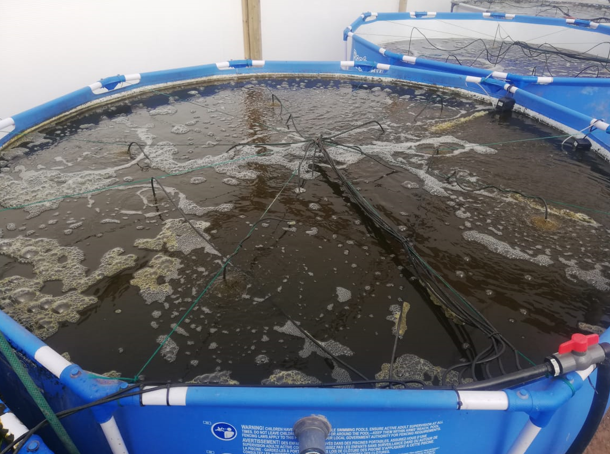
developed new aquaponics, duckweed and biofloc tank culture technologies involving nutrient, energy and protein recovery loops. These technologies have special relevance today as emphasis needs to be placed on biosecure, energy and land/water conservative aquaculture practices to advance sustainable intensification in the sector.
Ramon has contributed a wealth of his past research work (2017-March 2022) and blueprints on the development of both marine tilapia and Atlantic salmon farming industries, from pilot to full-scale production, from his past research in the sector at no cost to the FSRI. Ramon’s role at the FSRI is entirely ceremonial.
GALLERY